Manfred
Lord Byron
George Gordon Byron, known as Lord Byron, was a preeminent British Romantic poet of the early nineteenth century. Born into aristocracy, he became famous for his rebellious spirit and extensive travels through exotic lands. His works often blend magnificent natural landscapes with profound personal emotions, giving rise to the iconic "Byronic hero" in literary history. Beyond his celebrated narrative poem Childe Harold's Pilgrimage, his poetic drama Manfred reveals his unique philosophical inquiries and tragic aesthetics. Byron's legacy lies not only in his lyrical mastery but also in his powerful expression of individual will and the pursuit of liberty, leaving a lasting influence on European literature.
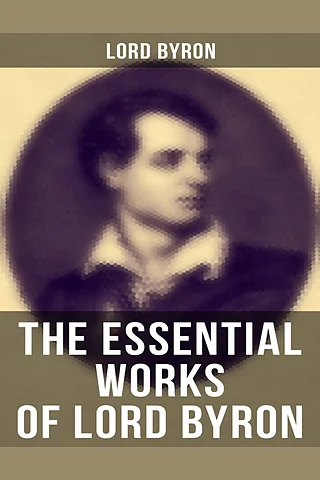
Book Brief
A solitary nobleman wanders the Alps seeking oblivion and converses with supernatural powers.
Book type
Philosophical poetic drama
Fun Facts
Manfred was composed during Lord Byron's stay in the Swiss Alps, where the majestic snowy peaks and the sense of isolation deeply inspired him. This poetic drama is not a conventional stage play but rather a grand narrative poem, portraying a protagonist's relentless pursuit of knowledge and power, alongside a profound remorse for an irrevocable past. Byron incorporated popular Gothic elements and German idealist philosophy into the work, crafting a tragic hero who refuses to bow to fate. Interestingly, the work shares a subtle intertextuality with Goethe's Faust, though Byron's protagonist is more introspective and aloof. It stands as a significant milestone in Romantic literature, reflecting the poet's own complex inner world and his deep exploration of life's meaning.
How to get this book
If you are wondering where to get the book, simply click the image below to enter the book access page. The process is straightforward and convenient, allowing you to easily find the reading materials you need. Thank you for your understanding and support, and enjoy your reading.