Finnegans Wake
James Joyce
James Joyce stands as a towering figure in modernist literature, celebrated for his radical narrative innovations and linguistic experimentation. Born in Dublin, he spent much of his adult life in continental Europe, eventually settling in Switzerland. His work profoundly explores the depths of human consciousness, memory, and the limits of language, reshaping the trajectory of twentieth-century fiction. Joyce dedicated his career to breaking conventional novelistic forms, employing multilingual blends, dreamlike logic, and circular structures to create texts of immense artistic complexity and enduring influence.
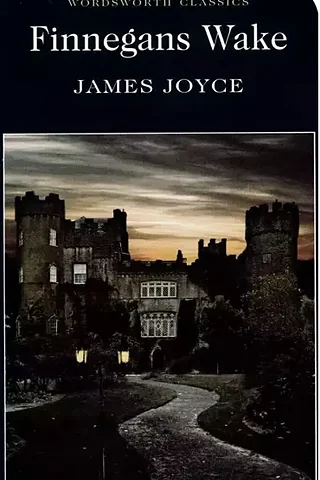
Book Brief
A monumental narrative weaving dreams and cycles, exploring the boundaries of language and memory.
Book type
Modernist experimental novel
Fun Facts
Finnegans Wake, published in 1939 after seventeen years of composition, is James Joyce’s final major work. Structured around the dreams of an Dublin innkeeper, it blends myth, history, and everyday life through a dense, multilingual “dream language” of invented words. Its central motif draws from the Irish legend of Finnegan’s death and rebirth, with a circular narrative that ends where it begins. Joyce famously intended the book to keep critics occupied for centuries. Initially controversial for its obscurity, it is now hailed as a pinnacle of twentieth-century literary experimentation, profoundly influencing the development of postmodern literature with its radical form and linguistic play.
How to get this book
If you are wondering where to get the book, simply click the image below to enter the book access page. The process is straightforward and convenient, allowing you to easily find the reading materials you need. Thank you for your understanding and support, and enjoy your reading.