Dune
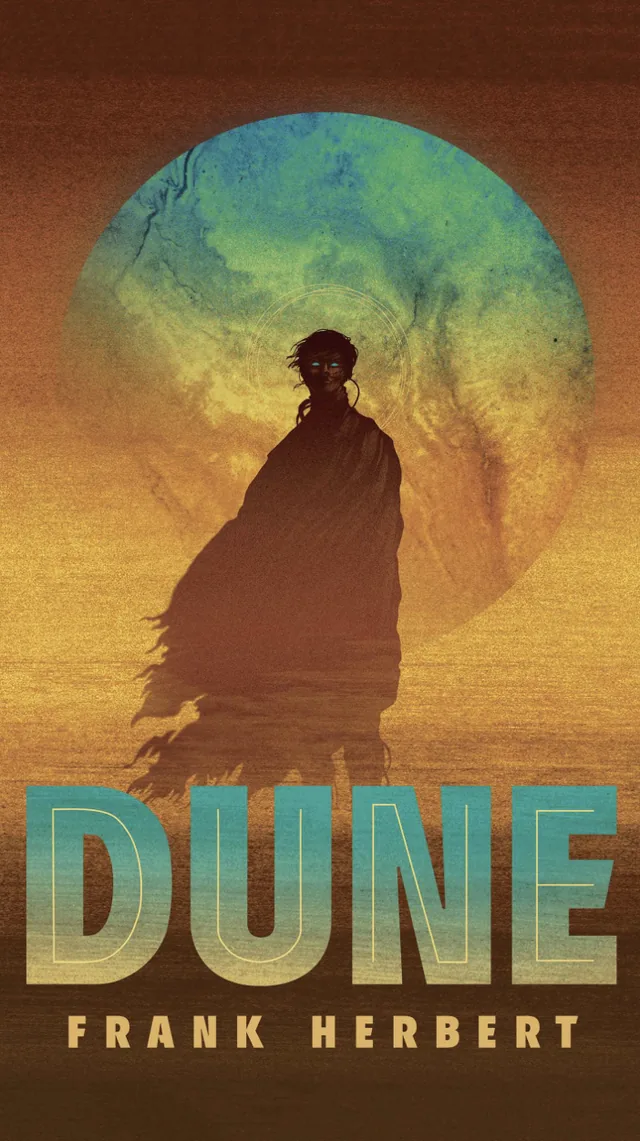 Few works of science fiction have left as deep and lasting a mark on literature as Frank Herbert’s Dune. First published in 1965, this sweeping desert‑planet epic continues to capture readers across generations, and it is widely regarded as one of the greatest classics the genre has ever produced. Decades after its release, new audiences still fall under its spell, drawn not only by its adventurous plot but also by its layered ideas, immersive world‑building, and timeless human drama.
One major strength of Dune is its extraordinarily complete world‑building. Herbert did not simply invent a far‑off planet for adventure; he constructed a fully realized civilization on Arrakis, the harsh desert world also known as Dune. The planet is home to giant sandworms, the most precious resource in the galaxy‑melange spice, and the tough Fremen people who have learned to survive in an environment of endless sand, scorching heat, and almost no surface water. Herbert designed everything: Fremen customs, survival technologies, complex religious prophecies, political systems, and ecological rules. Readers can feel the burning wind, respect the danger of the desert, and understand why every drop of water means life or death. Unlike many sci‑fi stories that focus purely on futuristic gadgets, Dune makes environment itself a central character, and this deep sense of place pulls readers fully into its universe.
Beneath its desert adventure surface, Dune carries rich, thought‑provoking themes that still feel relevant today. The story explores power, fate, religion, colonial exploitation, and human greed. Noble houses fight for control over Arrakis and its priceless spice, while outside forces manipulate native populations through manufactured religious myths to gain political advantage. Herbert shows how easily faith can be turned into a tool for conquest. He also questions hero worship: Paul Atreides is seen by many as a prophesied messiah, yet the narrative hints at the terrible, bloody cost of his rise. Readers are invited to think critically about leaders, revolutions, and blind belief, rather than just cheering for a heroic protagonist. These philosophical layers give the book depth far beyond typical space‑opera entertainment, and they remain meaningful for modern readers.
Complex, human‑feeling characters are another reason for its lasting popularity. Paul Atreides undergoes a painful transformation from a privileged noble youth to a messianic desert leader. His mother Jessica, a member of the secret Bene Gesserit sisterhood, struggles with duty, love, and prophecy. The Fremen warrior Chani represents the soul of Arrakis, loyal to her home and skeptical of outside conquerors. Even antagonists are not simple villains: each has understandable motivations rooted in family honour, survival, or political ambition. No character is purely good or evil. Readers watch them make hard, morally grey choices, and this realism makes their struggles resonate deeply.
Dune also brilliantly weaves together multiple genres. It blends science‑fiction, political drama, ecological cautionary tale, coming‑of‑age story, and even spiritual myth. There are thrilling moments of danger: narrow escapes from sandworms, deadly desert journeys, tense court intrigue and battle sequences. At the same time, Herbert slows down to explore philosophy, ecology and cultural conflict. This balance appeals to different kinds of readers. People who love fast‑paced adventure enjoy its tense action; readers who prefer big ideas appreciate its commentary on humanity’s relationship with nature and power. It does not talk down to its audience, refusing to simplify complicated questions into easy answers. Its cultural legacy has cemented its status as a classic. Dune inspired countless later novels, films, games and other works of science fiction. Concepts from Herbert’s book, including inter‑house politics, desert survival, spice‑fueled prescience, and sandworms, have seeped into pop‑culture. Multiple movie and television adaptations have introduced the world of Arrakis to new generations, sending many back to the original novel. Even so, the original book still stands above adaptations, because so much of its subtle philosophy and inner thought exists only in Herbert’s writing.
Of course, Dune is not always an easy read. It includes dense world‑building appendices, political dialogue, and heavy philosophical passages. Yet this complexity is part of its charm. Readers are rewarded for paying close attention, discovering new layers with every reread. Many fans return to the novel again and again, noticing new themes they missed in earlier readings.
In conclusion, Dune earns its reputation as an immortal classic of science‑fiction because it offers more than escapism. Frank Herbert built a vivid, unforgettable desert world, filled with believable people and high‑stakes conflict. More importantly, he used this far‑future setting to ask timeless questions about power, religion, colonialism, ecology and the danger of blind hero‑worship. Decades after publication, its ideas still mirror real‑world concerns. That is why so many readers keep coming back: Dune thrills with grand adventure, and it also makes us think deeply about humanity itself.